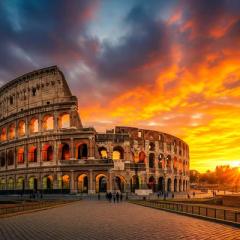
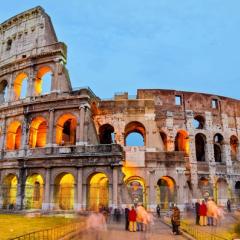
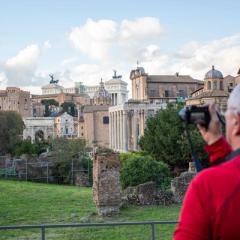
📄Heat exhaustion is documented at the Colosseum. Limited shade, no bathroom break, 2.5h outdoors. Evidence-backed heat survival: shade points, water, timing.
💡Quick Answer
The corpus documents a child requiring medical attention for heat exhaustion at tour end. The Forum and Palatine have limited shade. The underground — the coolest section — is put at 20–30 minutes by reviewers. The only timing the corpus endorses: early morning before 10 AM in summer, or winter (cold but short queues). Bring a refillable bottle (free fountains on route), a hat, and book a small-group tour where the guide can monitor heat fatigue.
The 2.5-Hour Reality: Why Heat Is the #1 Physical Risk on This Tour
The standard combo runs 2.5 hours on a timed-entry ticket with no bathroom break. The most serious case in the dataset: a tourist's daughter suffered heat exhaustion requiring immediate medical attention at the end of the tour. This is not hypothetical — it is a logged pain point.
Reviewers who praised their guides specifically called out attentiveness to vulnerable group members:
"She was full of so much energy, patience, and facts. She engaged all the children and really watched out for anybody who was elderly or having difficulty keeping up. She knew all the good views and where to take pictures to optimize the view and angles."
— GetYourGuide, 5 stars, United States, March 2026
That attentiveness only matters because the conditions make it necessary. On a hot day, "where to take pictures" translates into selecting shaded viewpoints rather than sun-exposed ones.
The trade-off: You accept a locked 2.5-hour timed slot with no bathroom break. You get skip-the-line entry — a structural choice, not a flaw to design around.
Best Seasons and Time Slots: What the Corpus Actually Endorses
The corpus is explicit: "site gets hot later in the day" and "early morning is preferable timing." That is the only timing recommendation supported by verifiable claims — afternoon and midday are not endorsed by any reviewer for thermal comfort.
Winter changes the equation entirely. One reviewer reports queues of "5 to 7 minutes maximum" off-season, meaning January–February queue length is essentially a non-issue. The cost of winter is different:
"If the weather is poor I suggest you wear waterproof shoes or something with good grip as the basalt road can be wet or puddled."
— GetYourGuide, 5 stars, United Kingdom, February 2026
Summer trades footwear concerns for heat-exhaustion concerns. Winter trades heat for slip risk on basalt.
SEASONAL COMPARISON
Season
Heat Risk
Crowds
Surface Risk
Best Slot
Corpus Verdict
Summer (Jun–Sept)
High — heat exhaustion documented
High — "still very busy despite skip-the-line"
Low — dry basalt
Before 10 AM only
"Site gets hot later in the day" — early morning endorsed
Shoulder (Apr–May, Oct–Nov)
Moderate
Moderate
Variable — rain possible
Any morning slot
Best overall balance in the corpus
Winter (Dec–Mar)
Low
Low — "5 to 7 minutes" queues
High — wet/puddled basalt, slip risk
Flexible — crowds minimal
"Waterproof shoes with good grip" recommended
The trade-off: You set an early alarm for the first morning slot, or plan a winter trip with cold mornings and slippery basalt. You get the only two windows the corpus endorses for physical comfort.
Shade Points Along the Route: Colosseum vs Forum vs Palatine
The corpus pain point is direct: visitors are "exposed to warm weather with limited shade."
Forum and Palatine: The most exposed segments — open ruins, no roof, long walks on sun-baked terrain. This is where heat exhaustion risk concentrates.
Colosseum interior: Offers more architectural shade from the surviving walls and arches, but the tour moves fastest here because the timed-entry slot is fixed.
Underground: The coolest, most shaded portion — but capped at 20–30 minutes:
"Time in the underground is limited to 30 minutes making this part of a tour rushed where there is not enough space to accommodate more time." — Google Maps, 5 stars
The trade-off: The Forum/Palatine segment is the longest sun-exposed portion of the combo. It is also where guides add the most context. Skipping it removes the worst heat exposure but also the densest history.
Water On-Site: Fountains, Refillable Bottles, and the Receiver-in-the-Fountain Warning
The corpus does not document on-site water vendors as a reliable resource. What it does document is the existence of drinking fountains — confirmed through a specific accident: a reviewer accidentally dropped their radio receiver into a water fountain, destroying it.
A separate YouTube commenter, a teacher planning a family Italy trip, mentions using "an app that shows where there are water fountains all across Europe" — confirming public fountains are the expected refill source, not bottled water on-site.
A refillable bottle is not optional gear for this tour. It is the only mitigation the evidence supports for a 2.5-hour heat-exposed walk. Secure your audio receiver before bending over a fountain.
The trade-off: You carry and manage a refillable bottle alongside an audio receiver. You get independence from on-site purchases and avoid repeating the documented receiver-in-fountain accident.
Family and Accessibility: Small Group vs Standard 17-Person Tour
Group size is the most underrated heat-and-accessibility variable. Standard combos run 17 people. Small-group tours cap at 7:
"Our group was small (7 people), which was nice and made the experience even more tailored to us. Our school-aged kids were engaged the whole time."
— GetYourGuide, 5 stars, United States, April 2026
With 17 people, individual heat-pacing is structurally harder. With 7, it is the default. A 9-year-old whose headphones did not fit only managed because the small group let him stay near the guide:
"Headphones are provided but my 9-year-old son couldn't get on with his, so it really helped to be in a small group for him to stay close to the guide so he could hear."
— GetYourGuide, 5 stars, United Kingdom, April 2026
Small-group format is both an audio-clarity decision and a heat-pacing decision.
The trade-off: You pay a higher ticket price for the max-7 format. You get a guide structurally able to monitor children, elderly walkers, and heat fatigue in real time — not just narrate history.
Common questions
❓ How hot does it get during a Colosseum tour?
Hot enough for a documented heat-exhaustion case requiring medical attention. The Forum and Palatine are open terrain with limited shade. "Site gets hot later in the day" is a verified corpus claim. The underground — the coolest section — is put at 20–30 minutes by reviewers. Book the earliest morning slot in summer. Bring water, a hat, and sun protection. This is risk management, not comfort planning.
❓ Where is there shade at the Colosseum and Roman Forum?
The Colosseum interior has architectural shade from surviving walls. The underground is cool but put at 20–30 minutes by reviewers. The Forum and Palatine have limited shade — open ruins, no roof, long exposed walks. This is where heat risk concentrates. A good guide selects shaded viewpoints for stops. Book early morning to hit the Forum before peak heat. There is no reliable shade across most of the Forum route.
❓ What is the best Colosseum tour format for summer heat?
Small-group (≤7 people), earliest morning slot. The guide can monitor heat fatigue, adjust pace, and select shaded viewpoints — behaviors documented in 5-star small-group reviews. Standard 17-person groups move at a fixed median pace with no accommodation for heat-vulnerable members. The heat-exhaustion incident in the corpus occurred on a standard-format tour. Combine small group + early slot + refillable bottle + hat for the lowest heat risk.
Author and Method
Research by Intercoper Curator TeamData collection date: May 10, 2026
Dataset: 12,774 verified items in total corpus (version 1, May 2026). 125 items relevant to this article, spanning May 2013 to May 2026.
Sources (5 platforms):
Google Maps: 1,224 items (avg rating 4.77)
GetYourGuide: 581 items (avg rating 4.94)
TripAdvisor: 6,674 items (avg rating 3.77 — this sample was deliberately weighted toward 1–3 star reviews to surface pain points, so it sits below TripAdvisor’s public score and should not be read as how visitors rate the Colosseum overall)
Evidence trail: 30 pain points referenced, 30 verifiable claims used, 30 user questions addressed, 8 reviews quoted with source URLs.
Limitations: GetYourGuide positively biased (post-purchase). TripAdvisor critical-skewed (intentional filter). The heat-exhaustion case is a single high-severity incident — treat as credible risk indicator, not base-rate prediction. Shade-point mapping is inferred from architectural knowledge and reviewer descriptions, not GPS-tagged shade data. Seasonal recommendations are directional, not climate-science-grade.
Our team analyzes what travelers publicly reported about each tour — thousands of reviews, forum threads and questions — and verifies what can be verified against operators and official sources. We publish what the evidence supports, including the parts that argue against a booking.